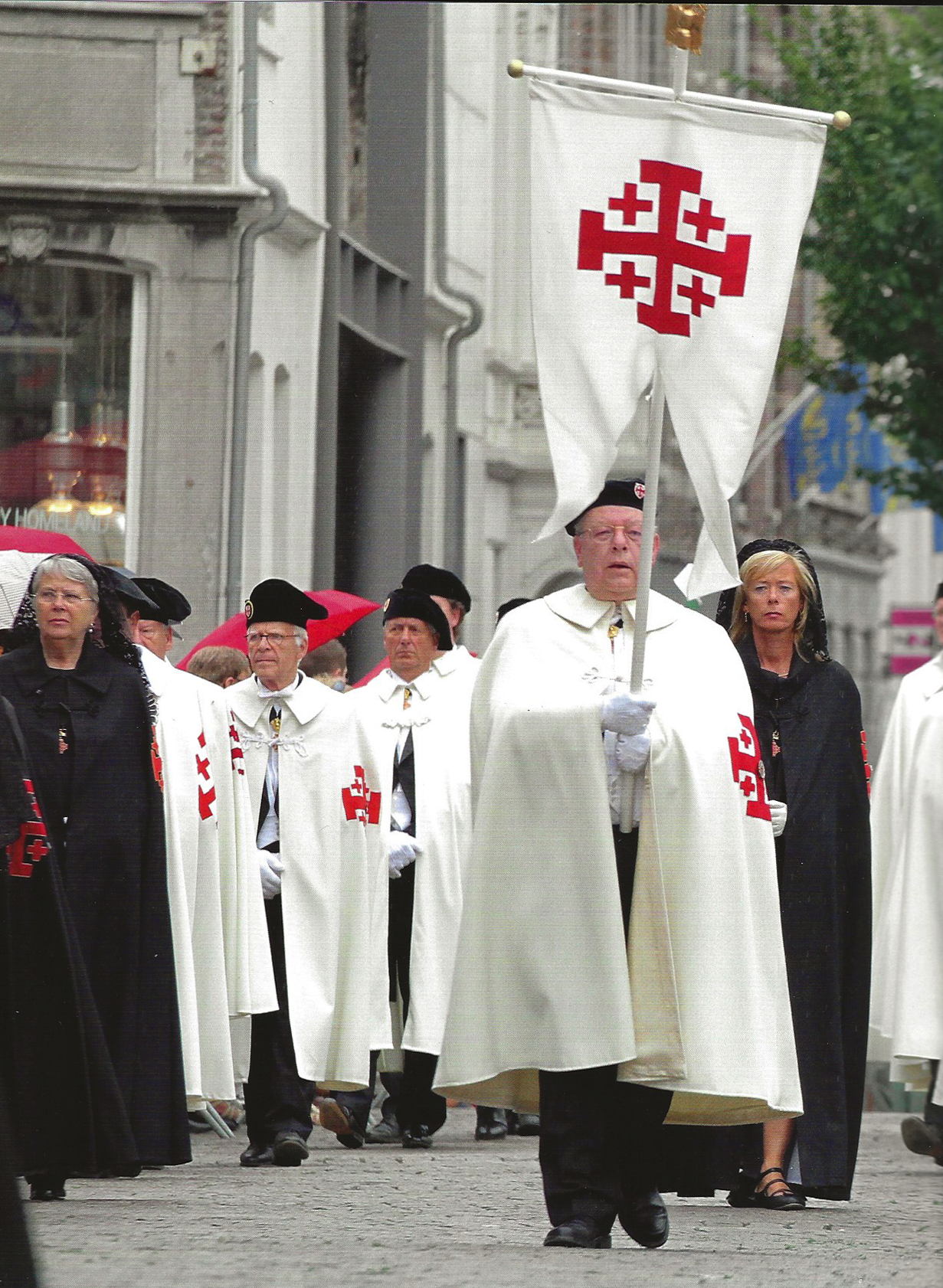
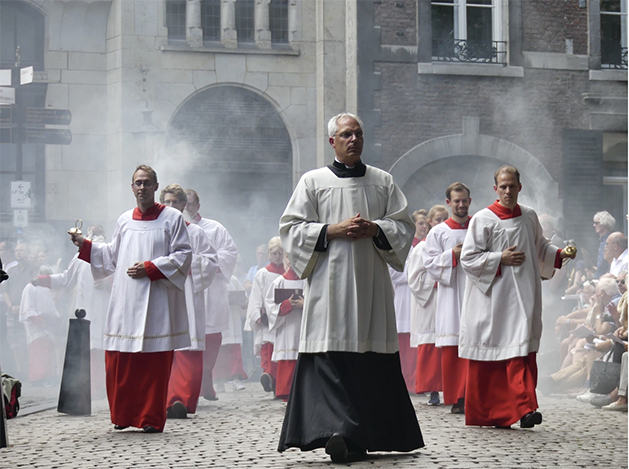
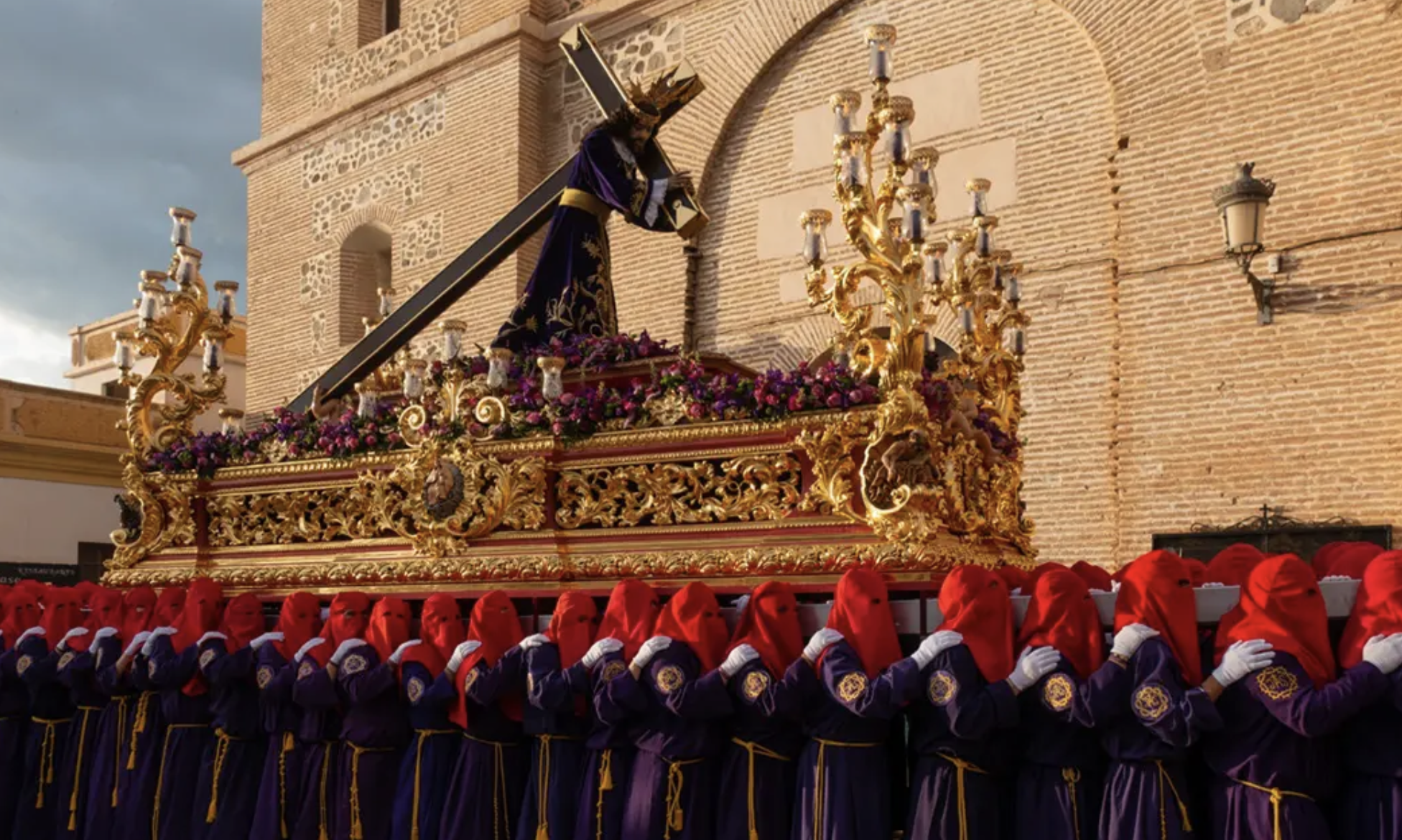
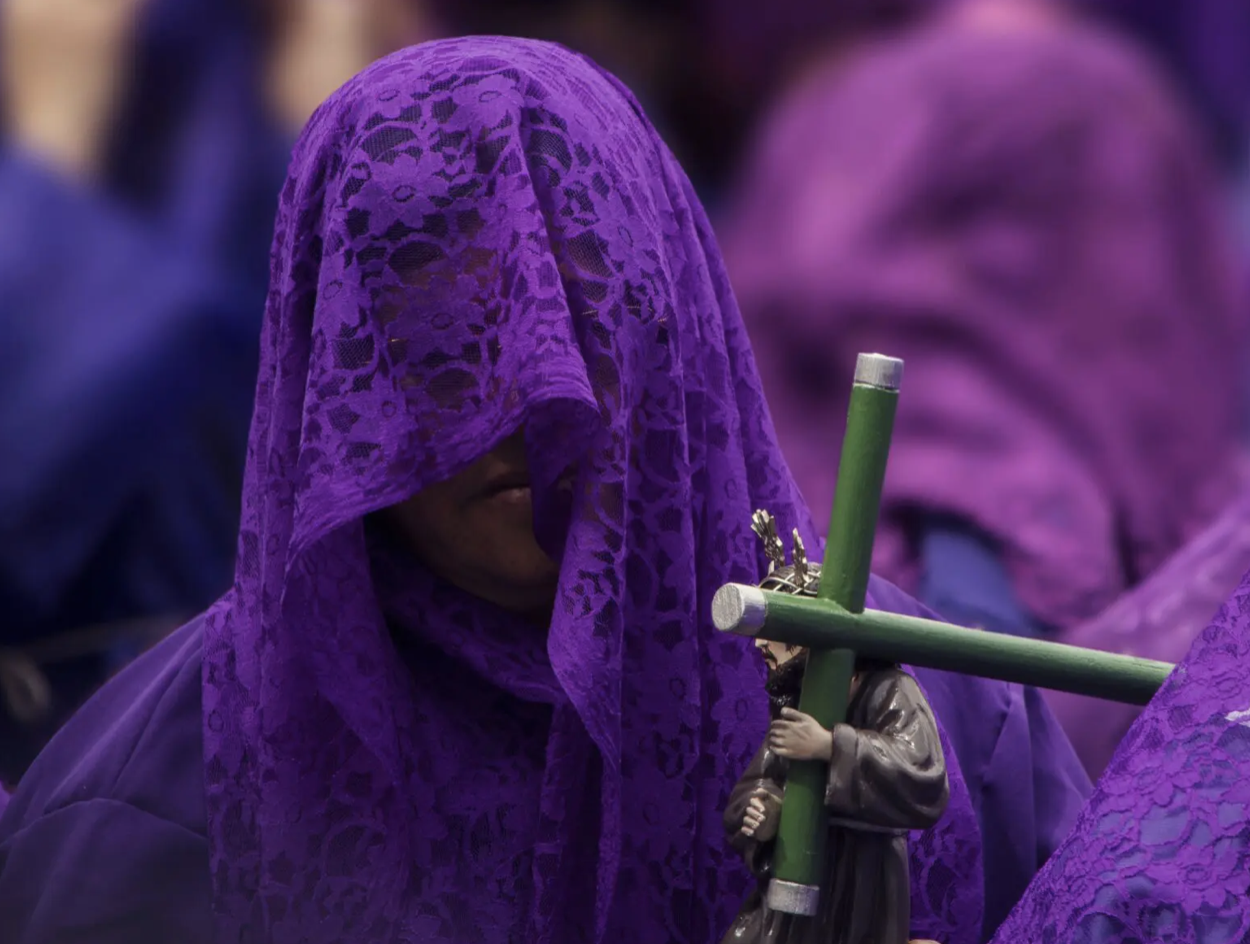
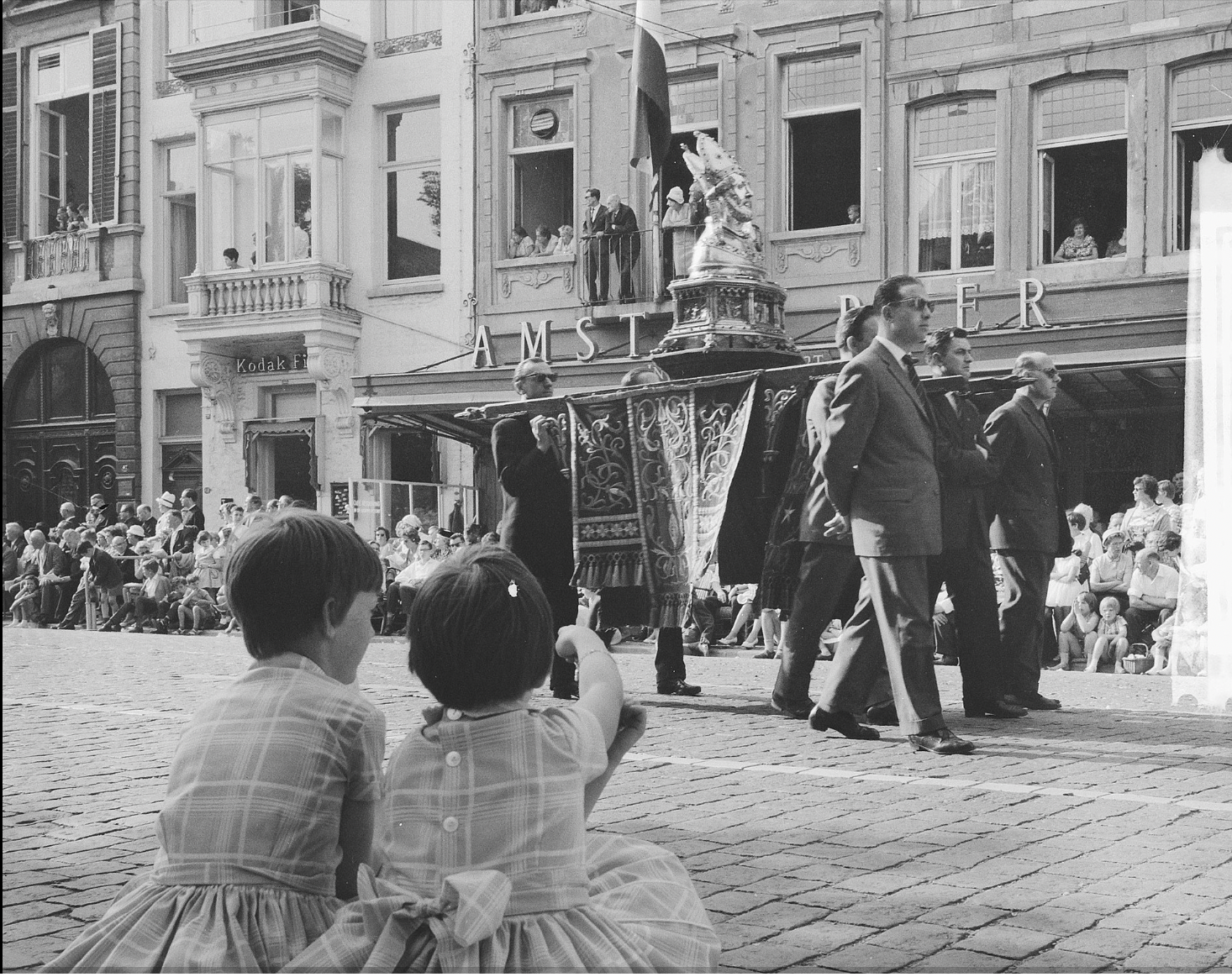
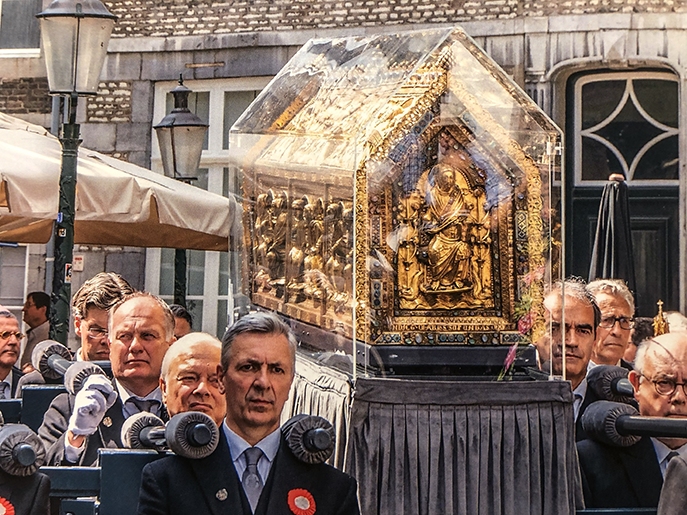
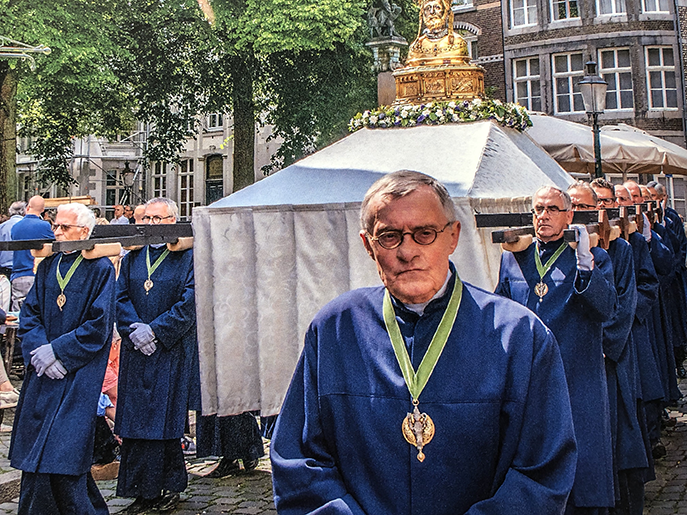
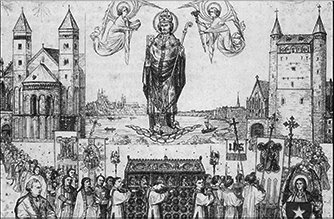
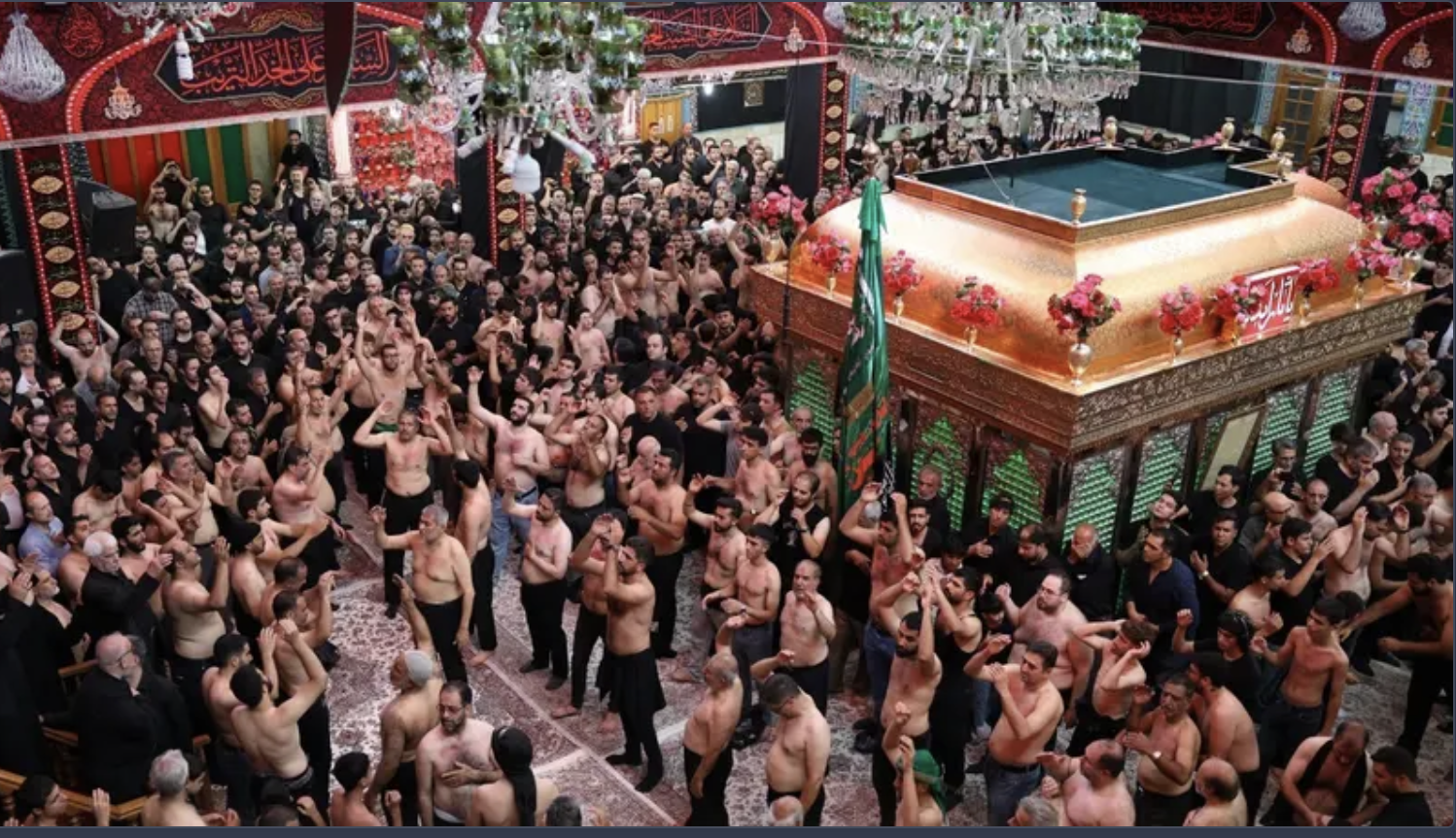
A religious procession is a powerful form of an esthetic-religious experience, as it combines sensory and material elements like music, banners, and incense with communal participation to evoke profound emotional and spiritual feelings. These collective rituals are designed to reinforce faith, create a sense of community, and temporarily bring the sacred into the public sphere, thereby engaging participants on both an aesthetic and religious level.
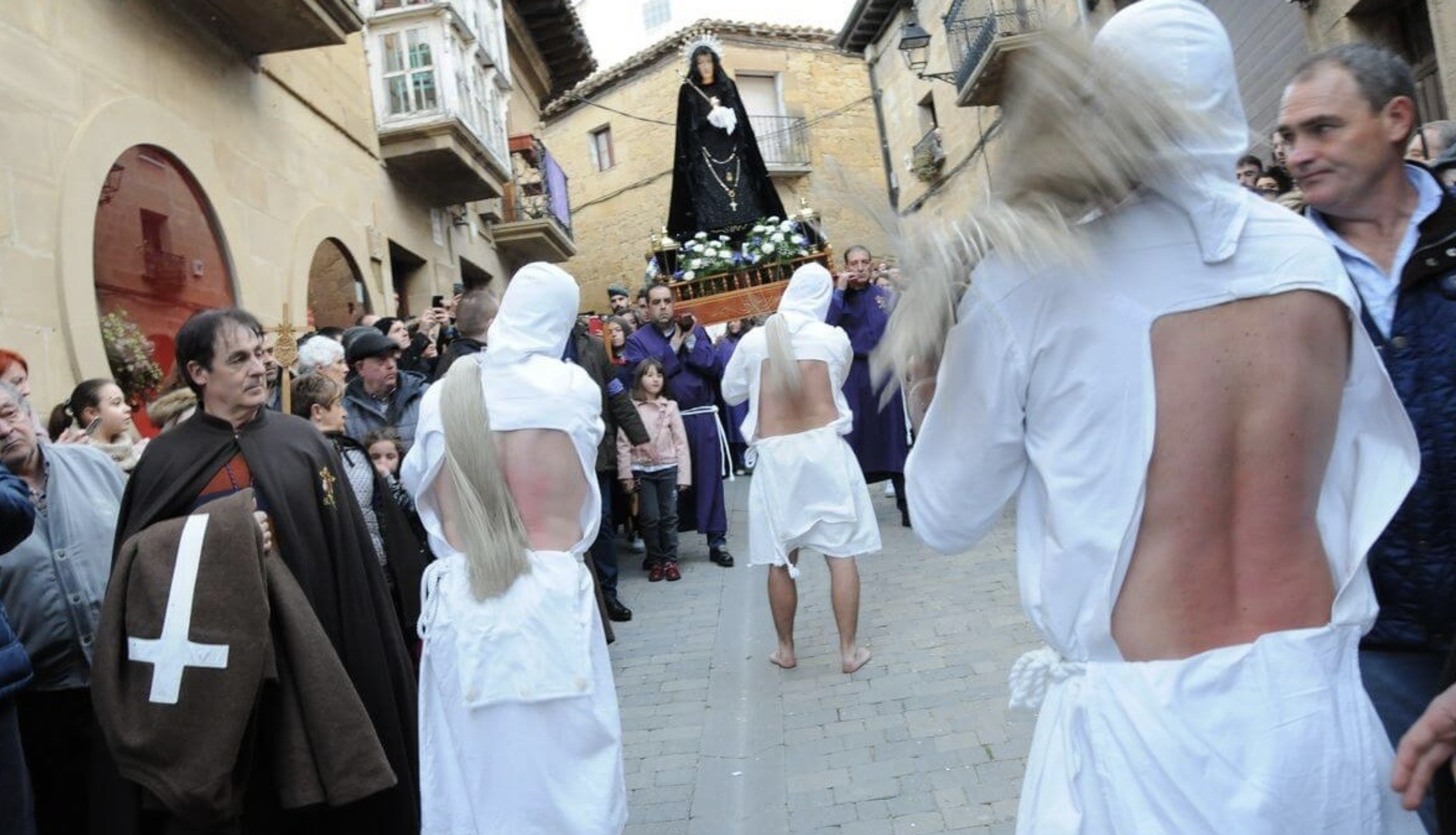
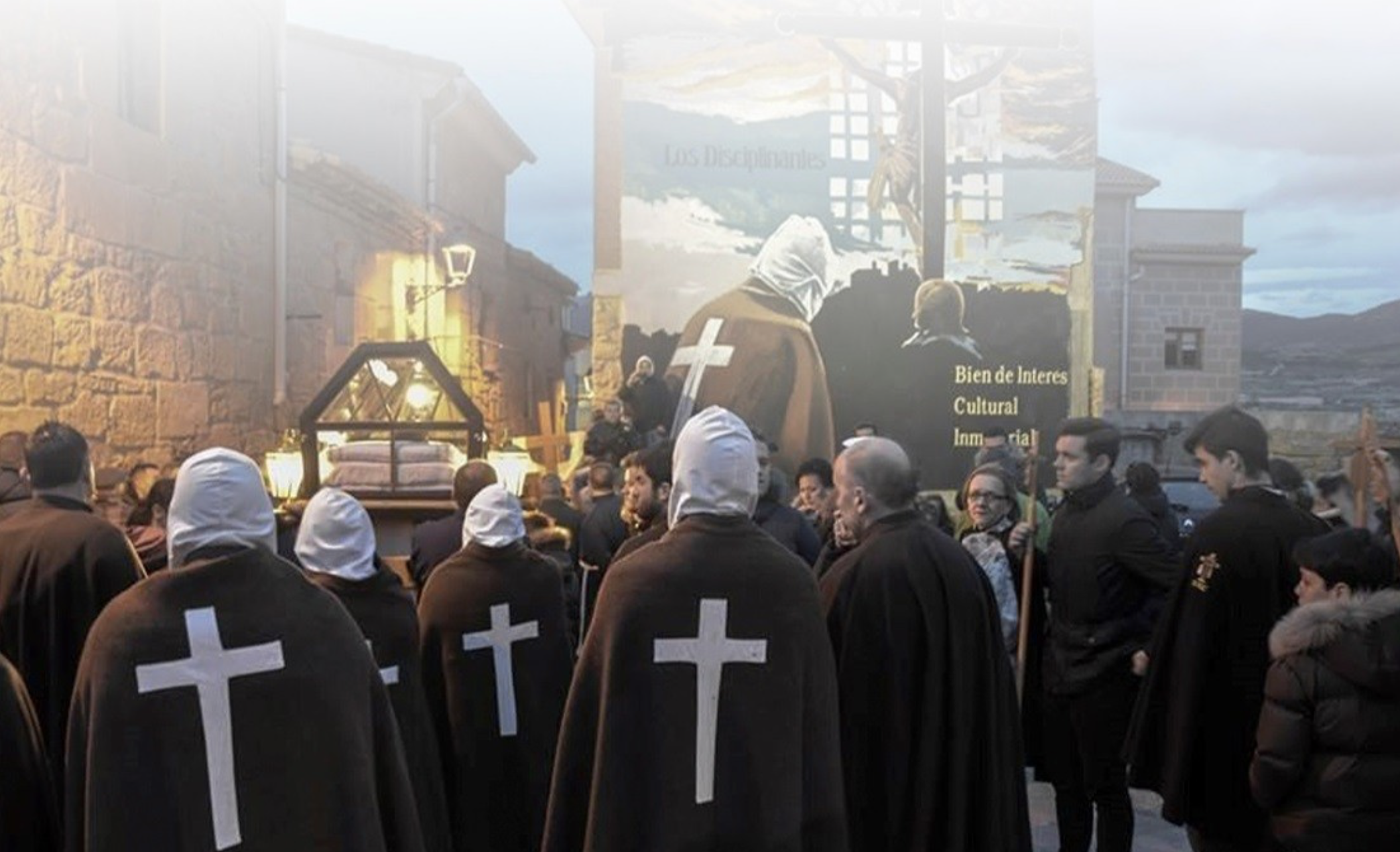
A specific type of processions consern the so-called auto-da-fe tradition. The auto-da-fé ("act of faith") was a public ceremony of the Spanish Inquisition from the 15th to the 19th centuries that involved public sentencing and punishment of accused heretics, which could include processions and executions. Self-flagellation was a different act of penance and religious devotion, distinct from the public auto-da-fé ritual, though both involved intense religious practices. In some places in Spain such as San Vincente this tradition continues.
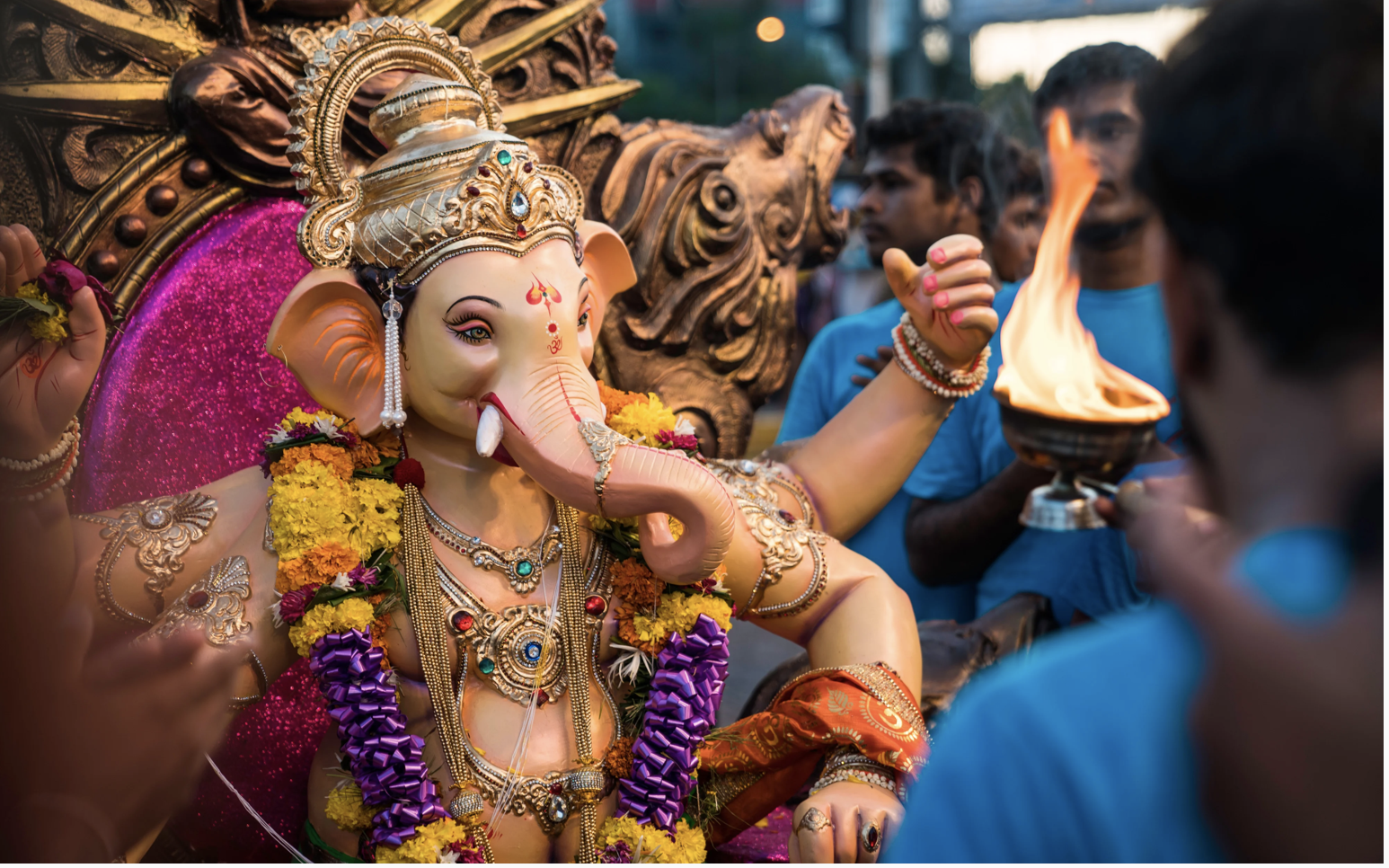
Processions in Hindu culture are ceremonial processions called Yatra, which involve public displays of faith through rituals, offerings, and chants, and can range from daily temple rituals to large annual festivals celebrating deities like Jagannāth, Veṅkaṭeśvara, and Sundareśvarar. They are also integral to important life events, such as the wedding procession known as Baraat, and serve as a way for devotees to express devotion, strengthen community, and facilitate the soul's transition during Antyesti (funeral rites)
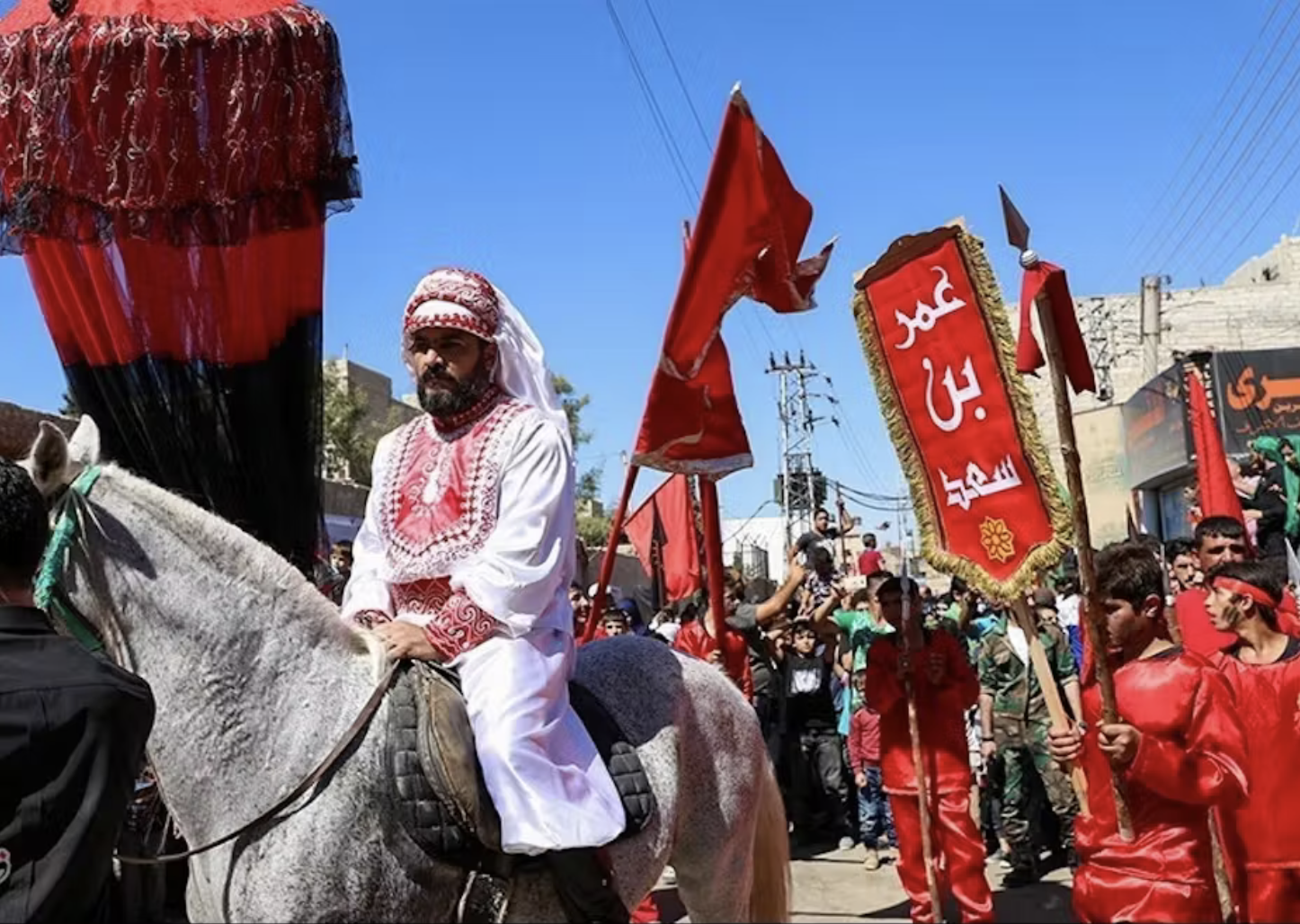
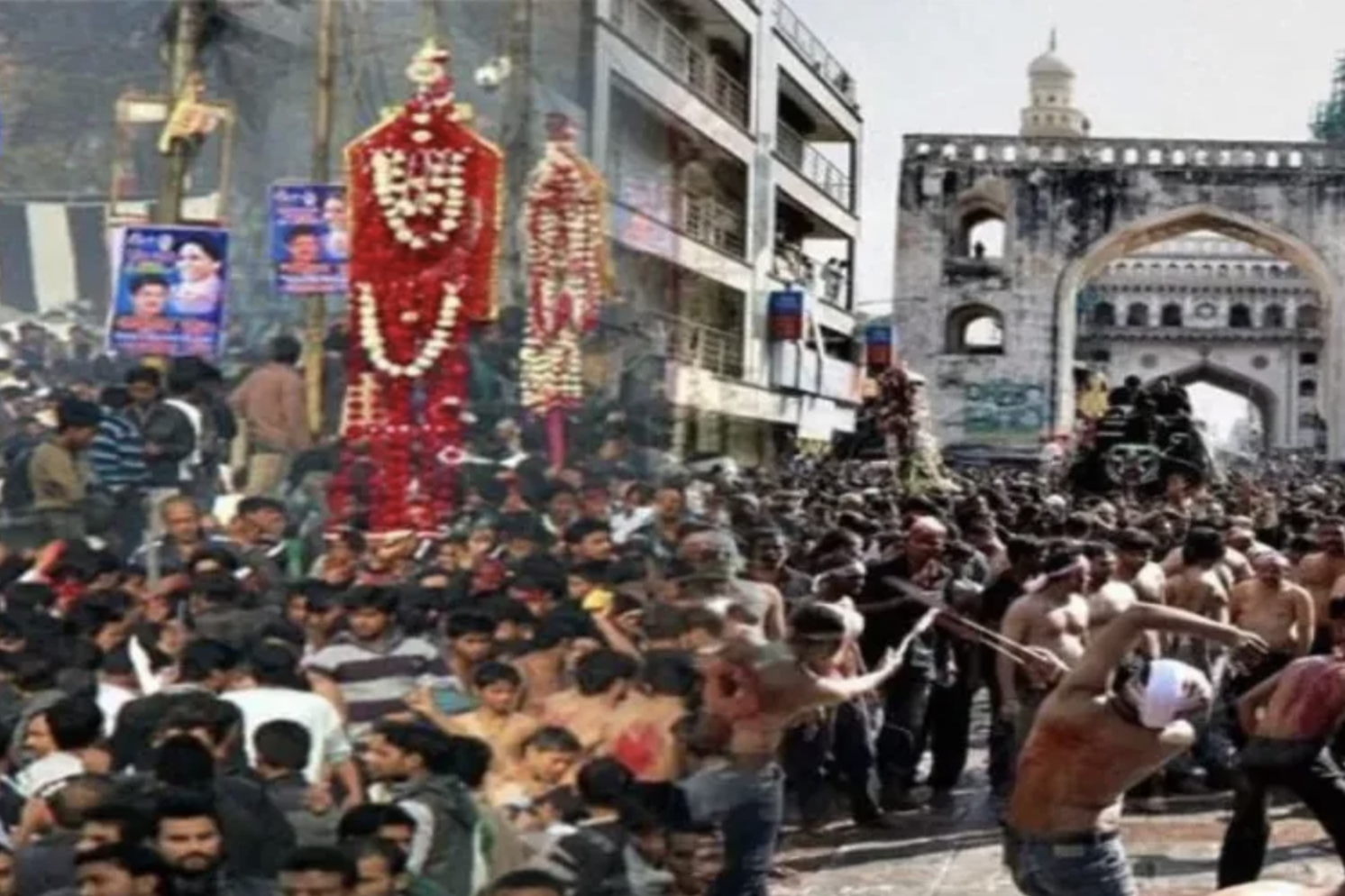
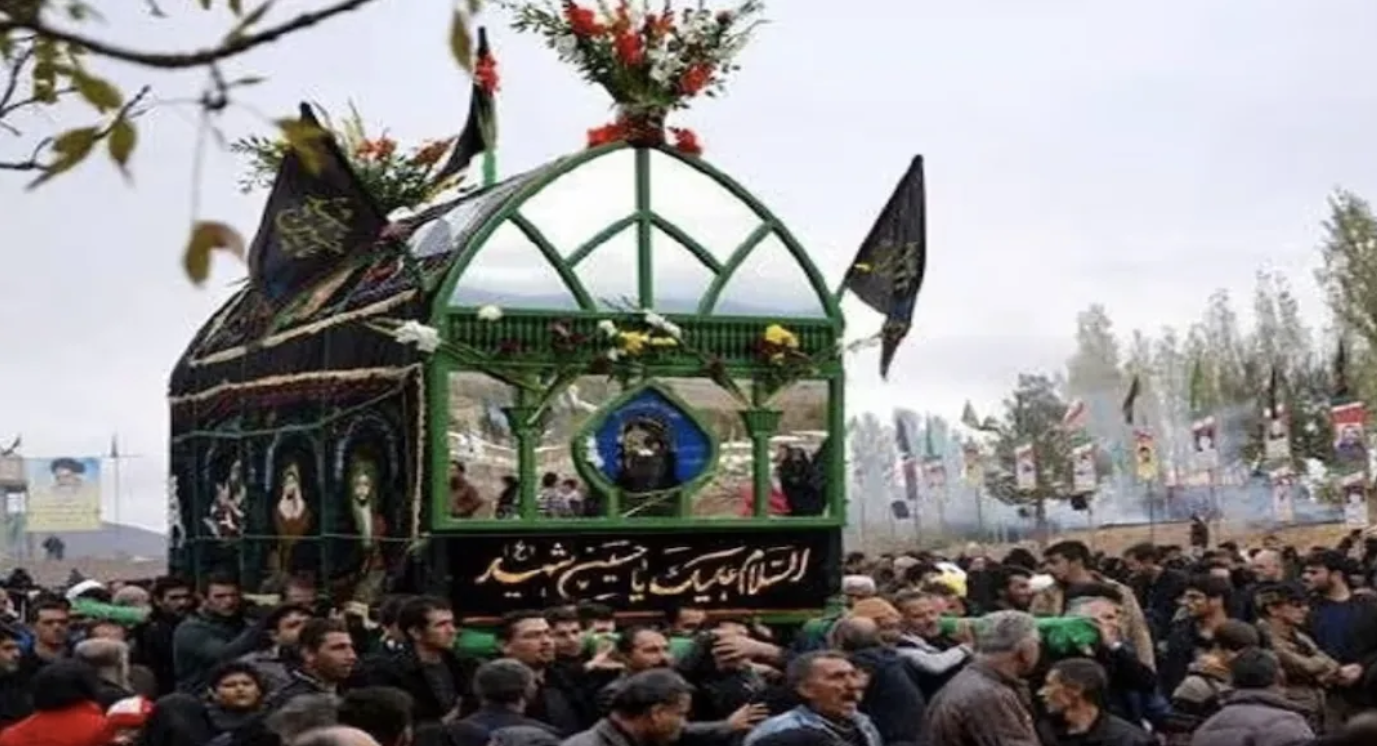
Processions in Islamic culture primarily involve solemn funeral processions and vibrant Ashura mourning processions, which can include the ritual self-flagellation by Shia Muslims. While funeral processions are a universal Islamic custom, Ashura is a particularly prominent event in Shia communities, though some Sunni Muslims may also observe it. Other communal events, such as religious festivals, may also involve large public gatherings and marches.