Beeldleer scope note
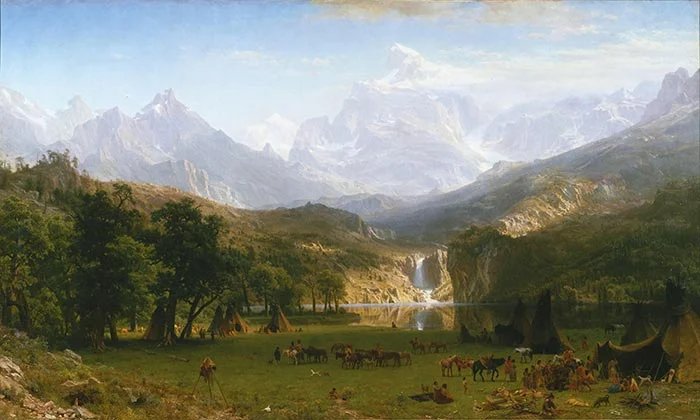
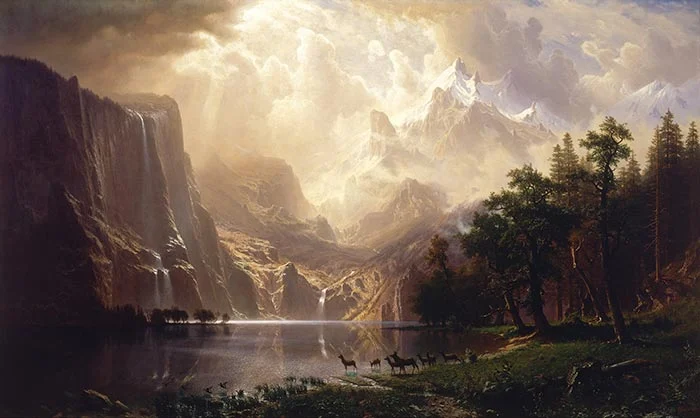
Aerial perspective also known as atmospheric perspective, is a technique used by artists to create the illusion of depth and distance on a flat surface. It mimics how the atmosphere naturally affects the appearance of objects as they recede into the distance, causing changes in clarity, color, and value. The technique relies on the natural phenomenon of light scattering through air molecules, dust, and water vapor in the atmosphere. As the distance between the viewer and an object increases, the following visual changes occur, which artists replicate in their work: • Decreased Clarity and Detail: Objects in the foreground have crisp details and sharp edges, while those in the distance appear softer, blurrier, and less defined. • Reduced Value Contrast: The difference between the light and dark tones (values) in a distant object diminishes. Foreground objects have a high contrast range, but as objects recede, their values get closer to the value of the background or sky, making them appear flatter. • Color Shifts (Hue and Saturation): Colors become less saturated (less intense) and tend to shift towards cooler hues, typically blue or gray, because blue light is scattered more than other wavelengths (Rayleigh scattering). Warm colors like red and yellow "drop out" of the landscape sooner. During sunrise or sunset, objects might take on an orange or reddish tint. • Overall Value Lightens: In daylight, objects in the distance generally appear lighter than those up close due to the atmospheric haze. Artists use these effects to create a sense of vast space and to guide the viewer's eye through the composition. Notable historical examples include Roman frescoes, traditional Chinese landscape paintings, and works by Renaissance masters like Leonardo da Vinci, who was a keen observer and early explainer of the phenomenon.