Beeldleer scope note
Color in art is a fundamental element with properties like hue, value, and intensity, used to convey mood, evoke emotion, and create symbolic meaning. Artists use color theory, including the color wheel and schemes like monochromatic and analogous, to organize and create harmonies within their work. Beyond its descriptive and emotional functions, color is deeply connected to cultural contexts, which can assign specific symbolic meanings that vary across different societies.
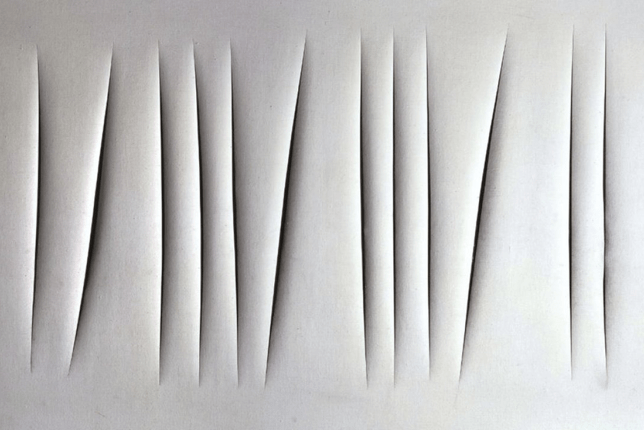
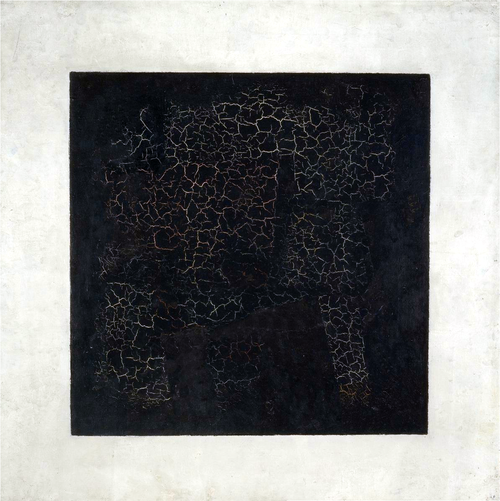
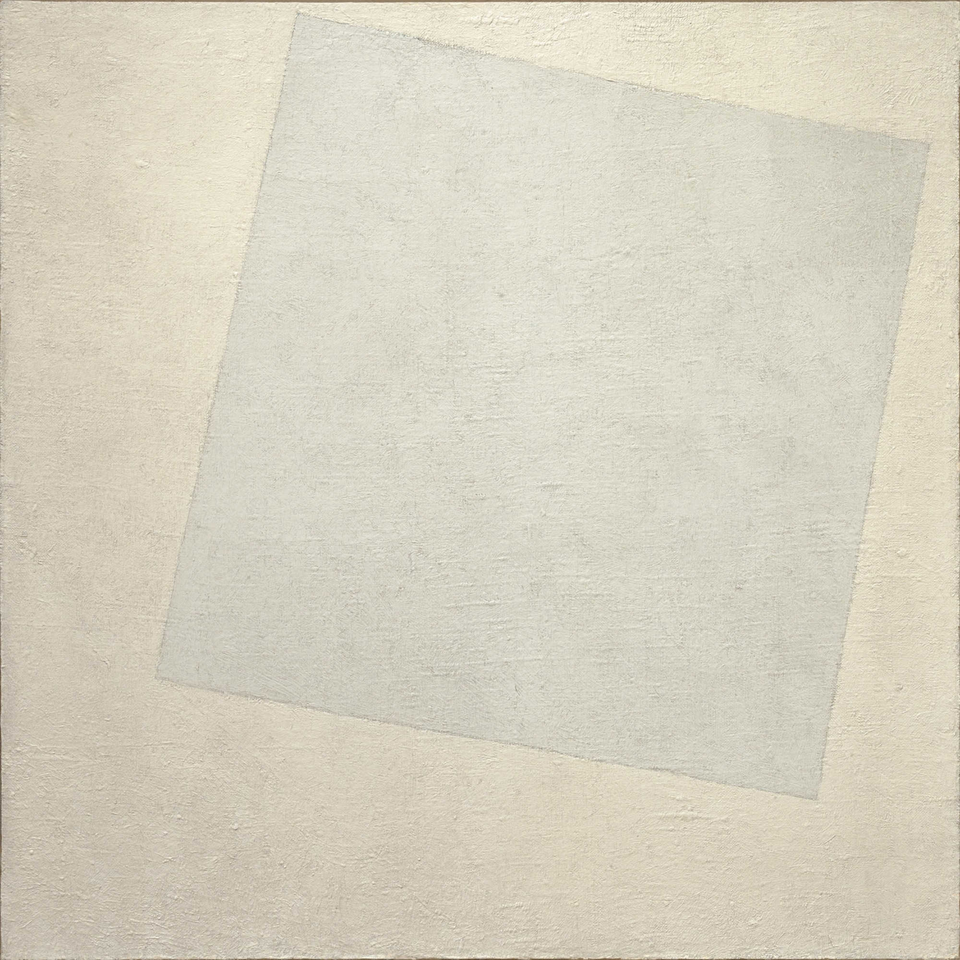
Monochrome in art history refers to art created using a single color and its various shades, tones, and tints, dating back to ancient civilizations like Greece and China. Historically, it has been used for grisaille to achieve tonal depth through light and shadow, as seen in the Renaissance, and was employed in early religious contexts to foster a sense of spiritual purity or contemplation. In the 20th century, abstract artists used monochrome to explore concepts like objectivity, the spiritual, and mass production.
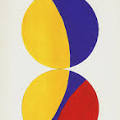
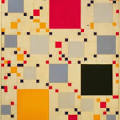
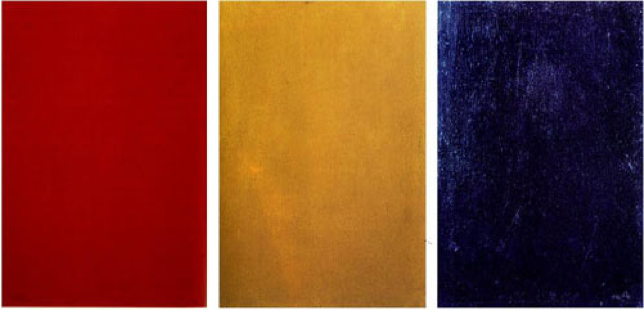
In art history, the primary colors are red, yellow, and blue because they are colors that cannot be created by mixing other pigments. These colors have been fundamental in art, from ancient pigments like red ochre to their symbolic use in modern movements like De Stijl. They are the basis for creating secondary and tertiary colors through mixing.