Beeldleer scope note
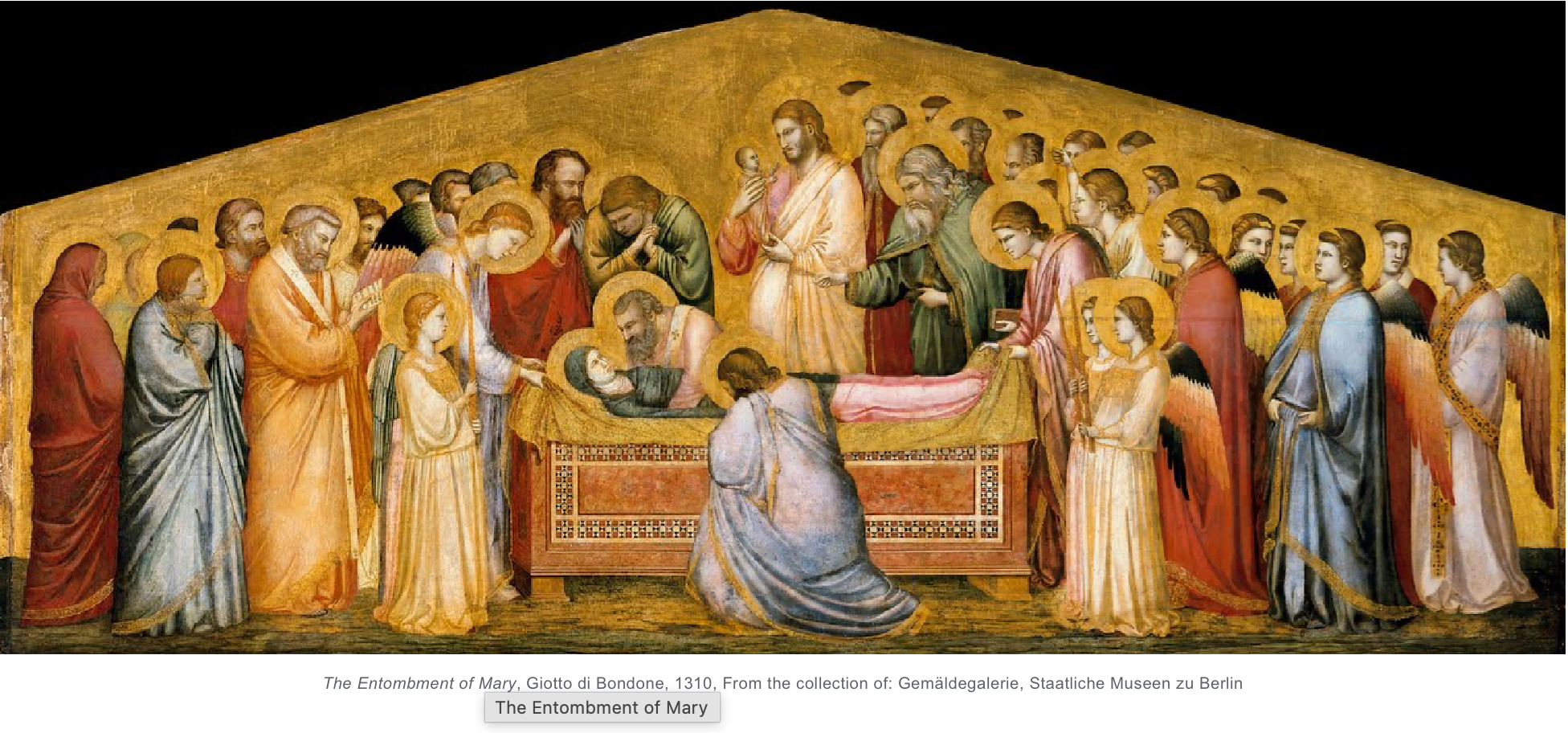
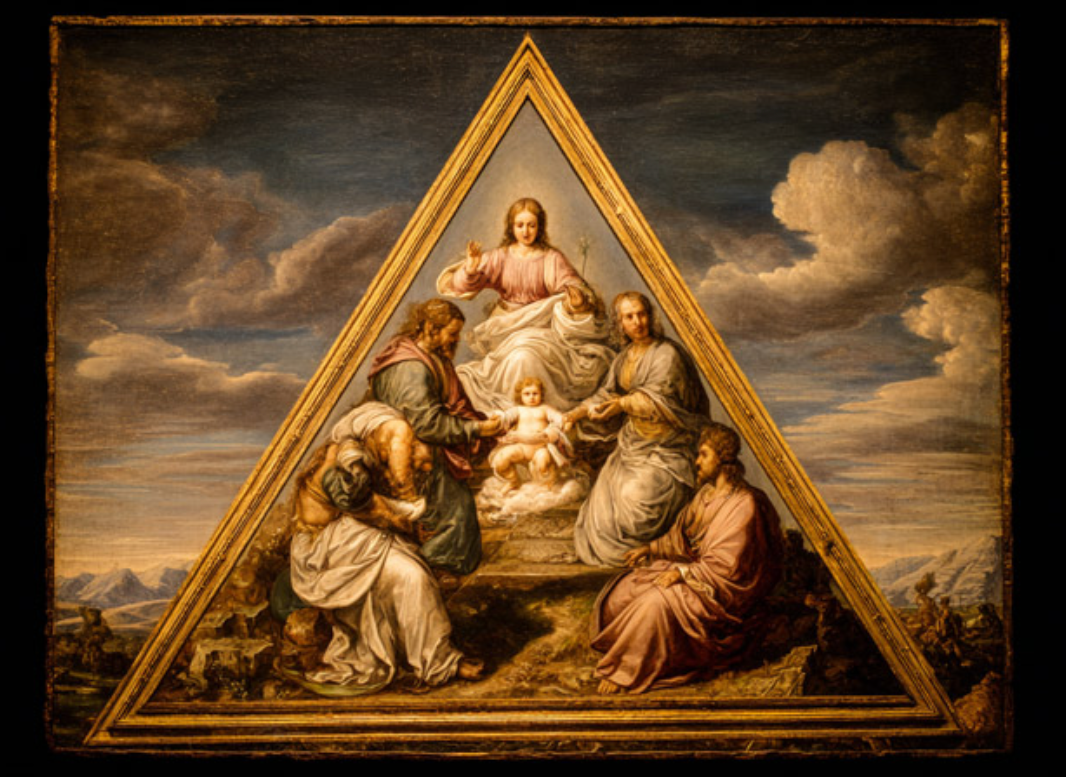
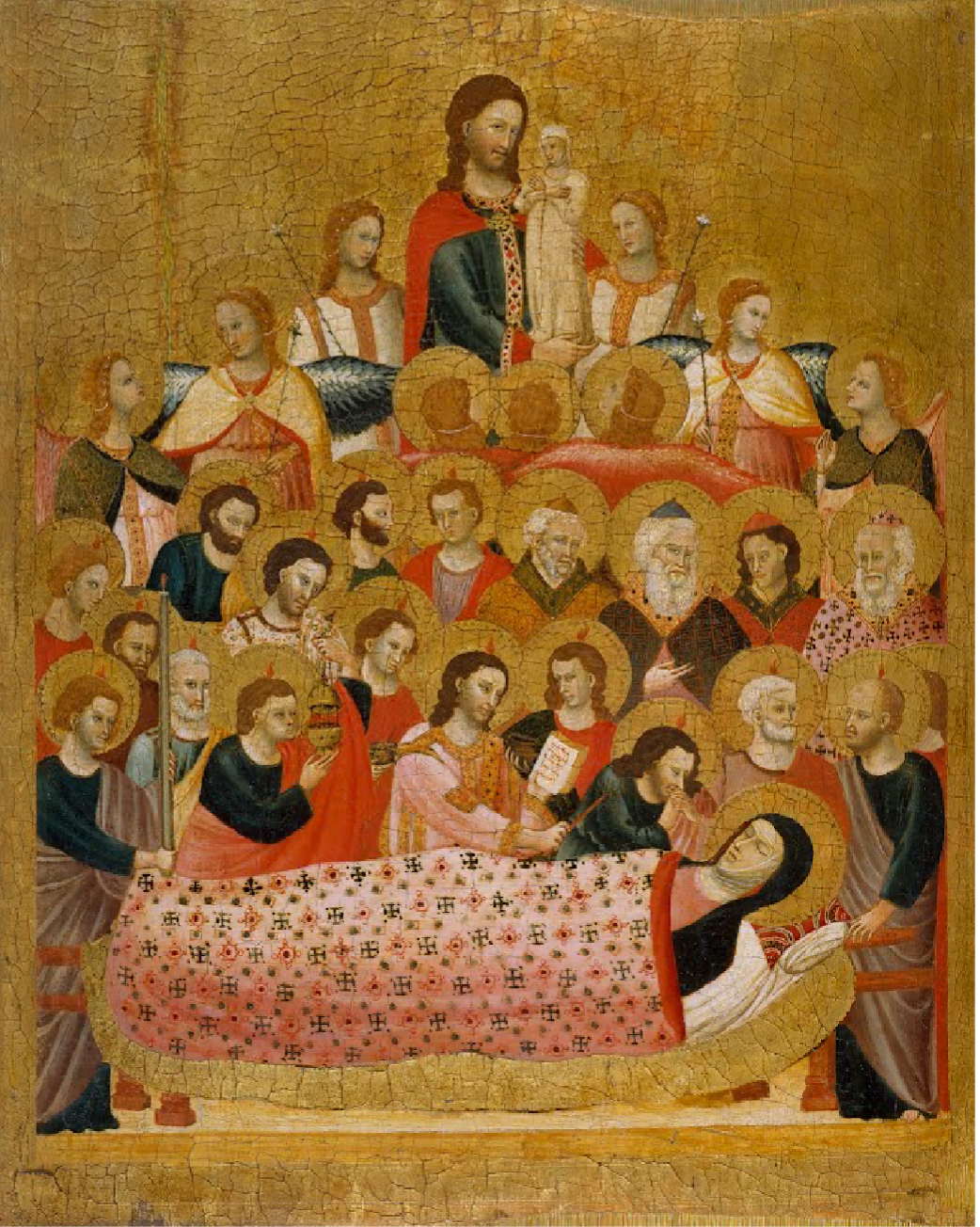
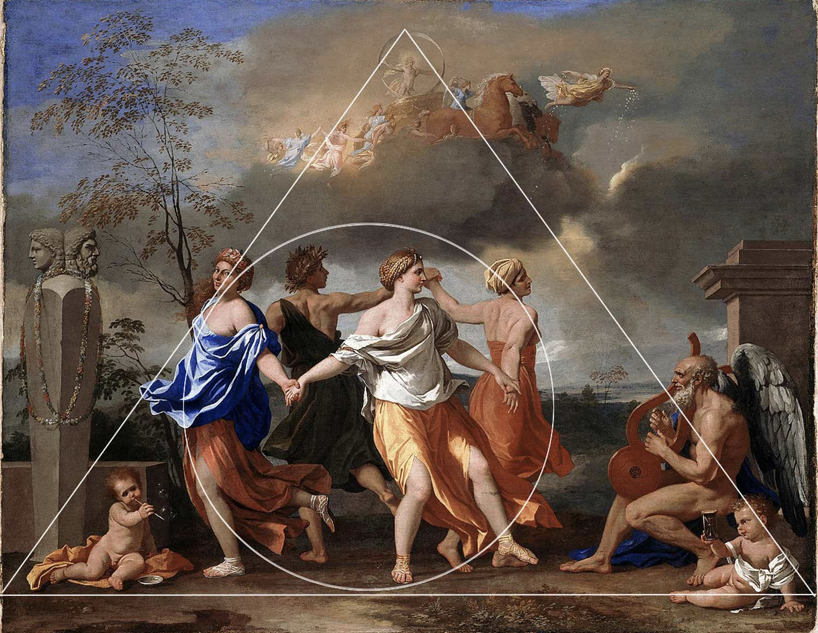
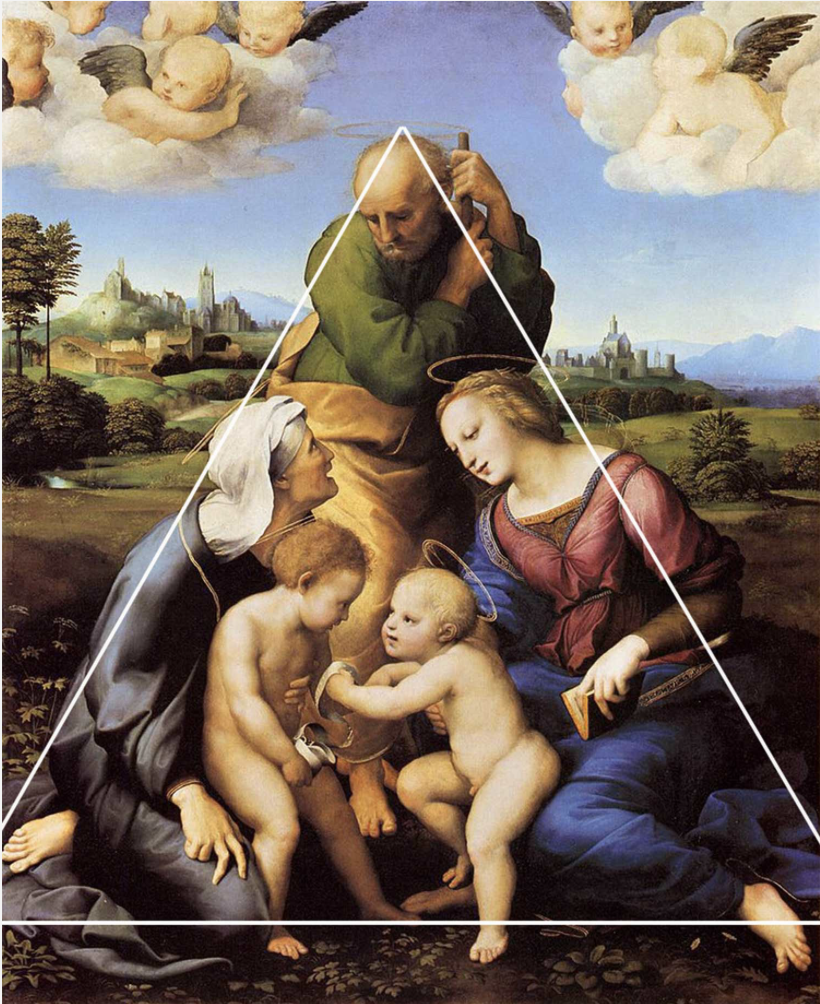
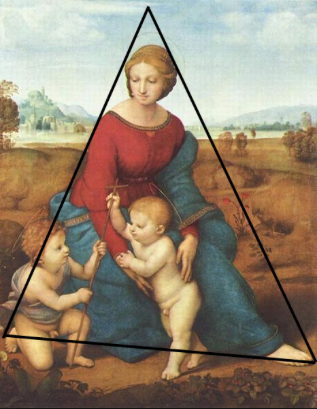
Triangular compositions use triangles to create balance, stability, and to guide the viewer's eye toward a focal point, with right-side-up triangles symbolizing stability and strength. Artists have historically employed these compositions in both classic and contemporary works, for instance, in pyramidal groupings and within the context of Renaissance perspective to imply depth. A reversed triangle characterize composition of art works that depict apparations of Christ in the works of Andrea de Castagono and Salvador Dali. Advanced compositional techniques like the Golden Triangle rule are used to divide a frame into four triangles, aligning key elements with the resulting diagonal lines and intersecting points to create a harmonious arrangement.
Triangles appear in Māori art, particularly in tāniko weaving and other geometric patterns, often symbolizing geographic features like mountains and valleys, or representing the taniwha (dragon) through motifs like niho taniwha (dragon's teeth). These geometric shapes provide structure and balance to designs, which combine them with curvilinear forms such as the koru to create unique patterns that hold meaning related to prestige, status, strength, and connection to the land.