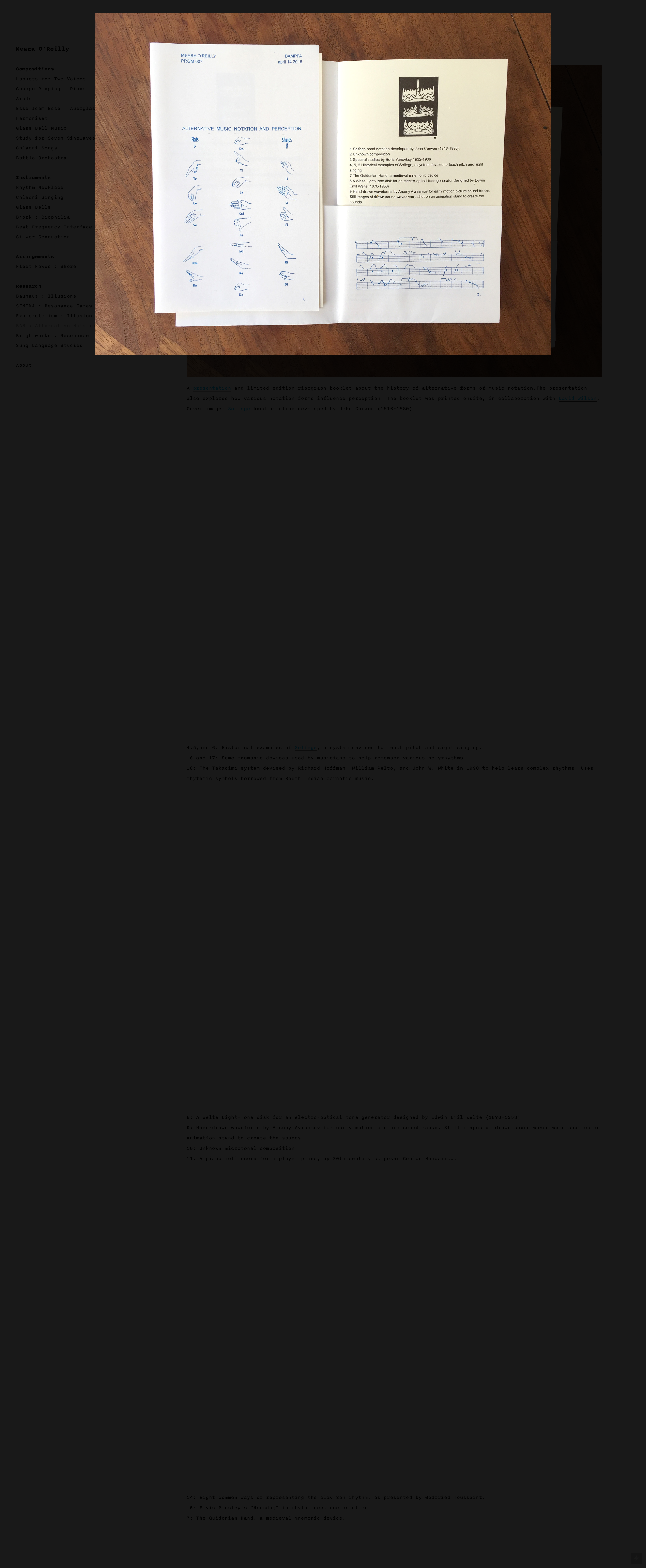
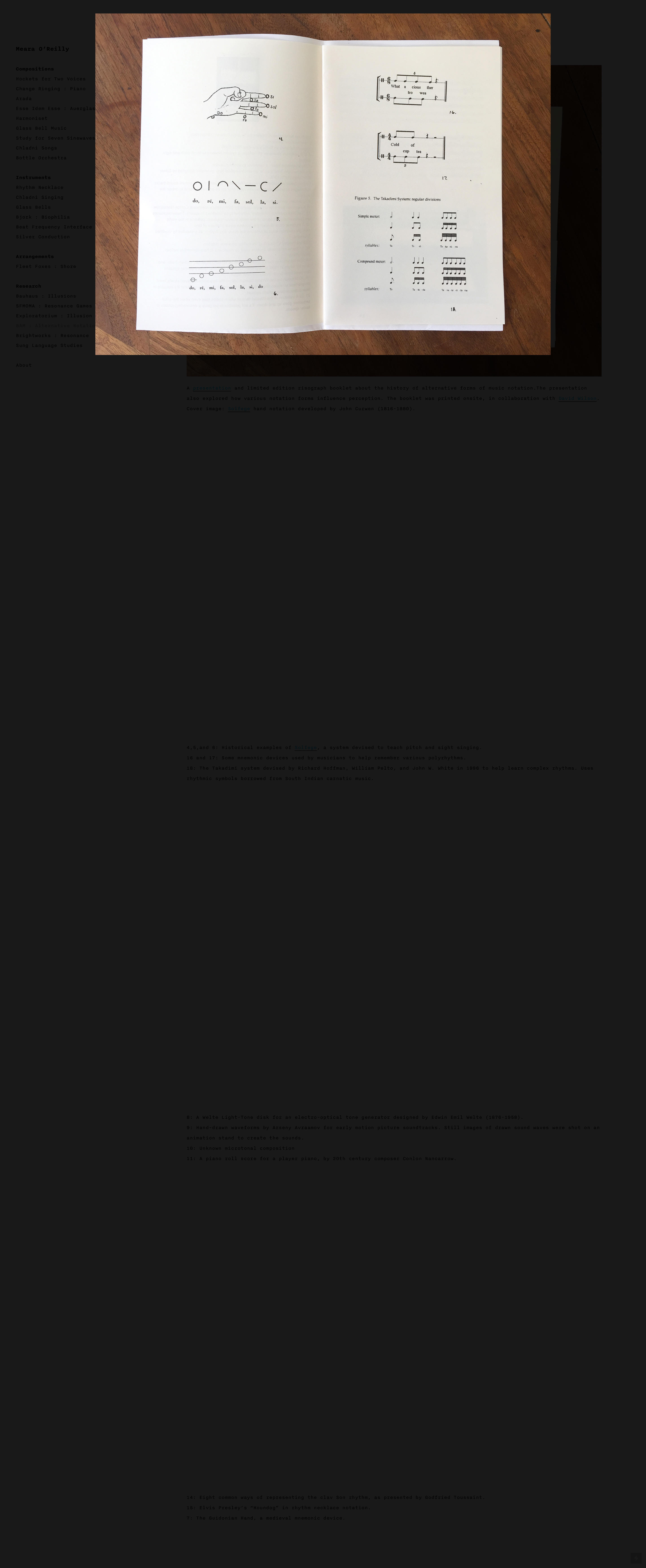
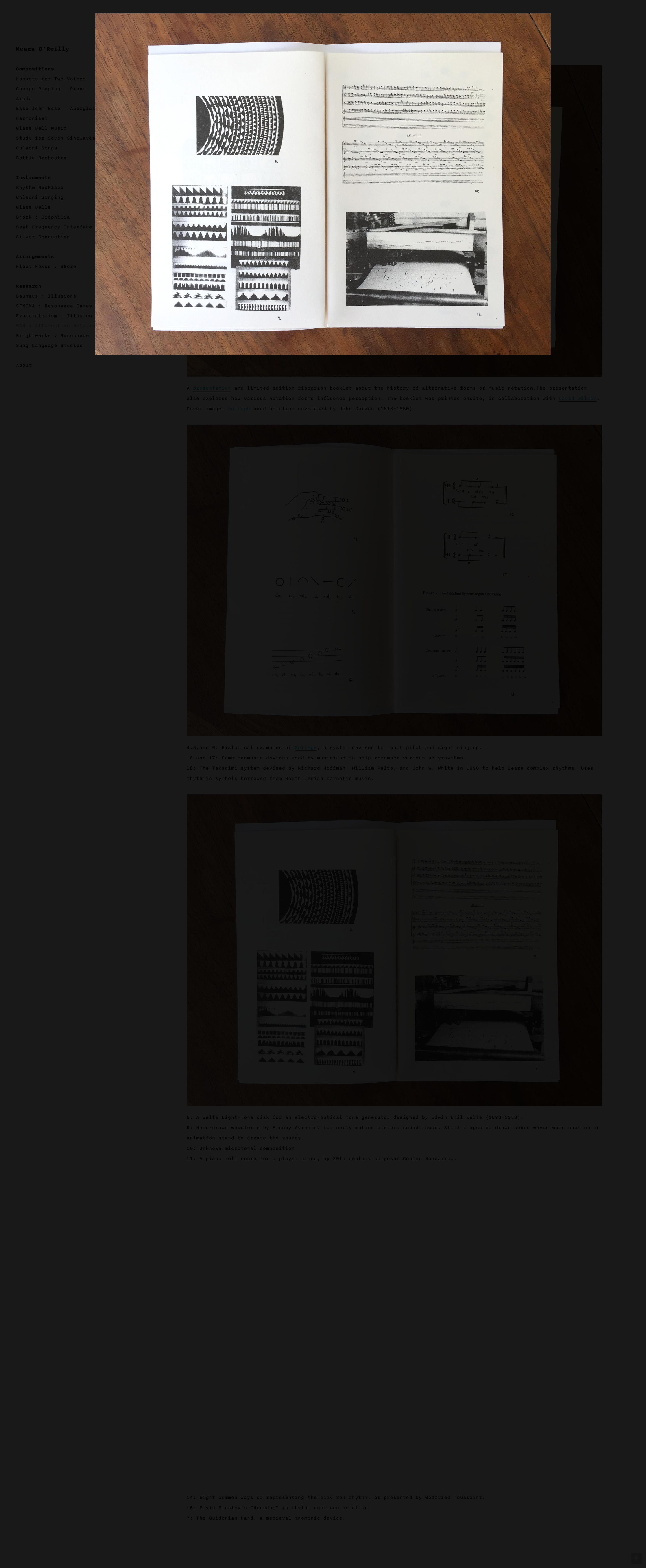
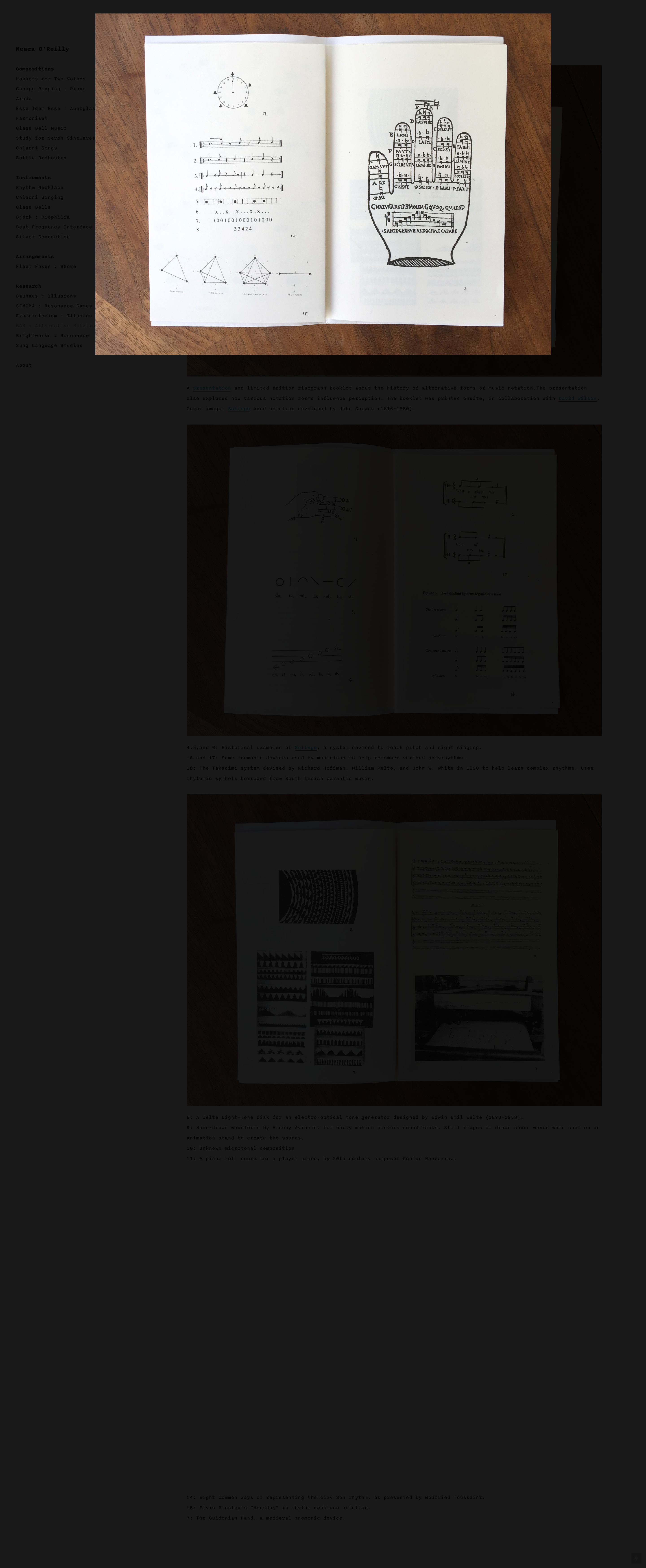
Music notations include systems like Numbered Notation, Klavarskribo, Dodeka, Parsons Code, and various Computer-based notations, which offer different approaches to representing musical elements, often to simplify learning, improve performance for certain instruments like the piano, or provide more logical pitch representations. Other forms like Tabulature provide instrument-specific instructions, while Integer notation and Standard pitch notation use numbers to denote pitches.
Number-Based Systems
• Numbered Notation (Jianpu):
A system that uses numbers to indicate scale degrees, making it a simplified way to learn music, particularly in China.
• Integer Notation:
A system that uses numbers to represent pitches, often used in computer applications or for specific theoretical purposes.
• Standard Pitch Notation:
A system that uses specific letter names (like A, B, C) or numbers to denote a specific pitch, often associated with a particular octave.
Graphic and Visual Systems
• Klavarskribo:
An alternative notation for keyboard instruments that positions notes and their durations in a vertical format, aiming for a simpler learning curve and improved sight-reading.
• Dodeka:
A notation system and keyboard designed by Jacques-Daniel Rochat, attempting to create a more consistent and intuitive way to represent pitches.
• Chromatic Staff:
An extension of the traditional five-line staff that incorporates more lines to accommodate all 12 notes of the chromatic scale.
• Parsons Code:
A very simple notation system that describes musical pieces solely by their melodic motion (up or down), without specific pitches.
Instrument-Specific Systems
• Tabulature (Tab): A notation system that provides explicit playing instructions for specific instruments, showing where to place fingers on the fretboard or other parts of the instrument.